


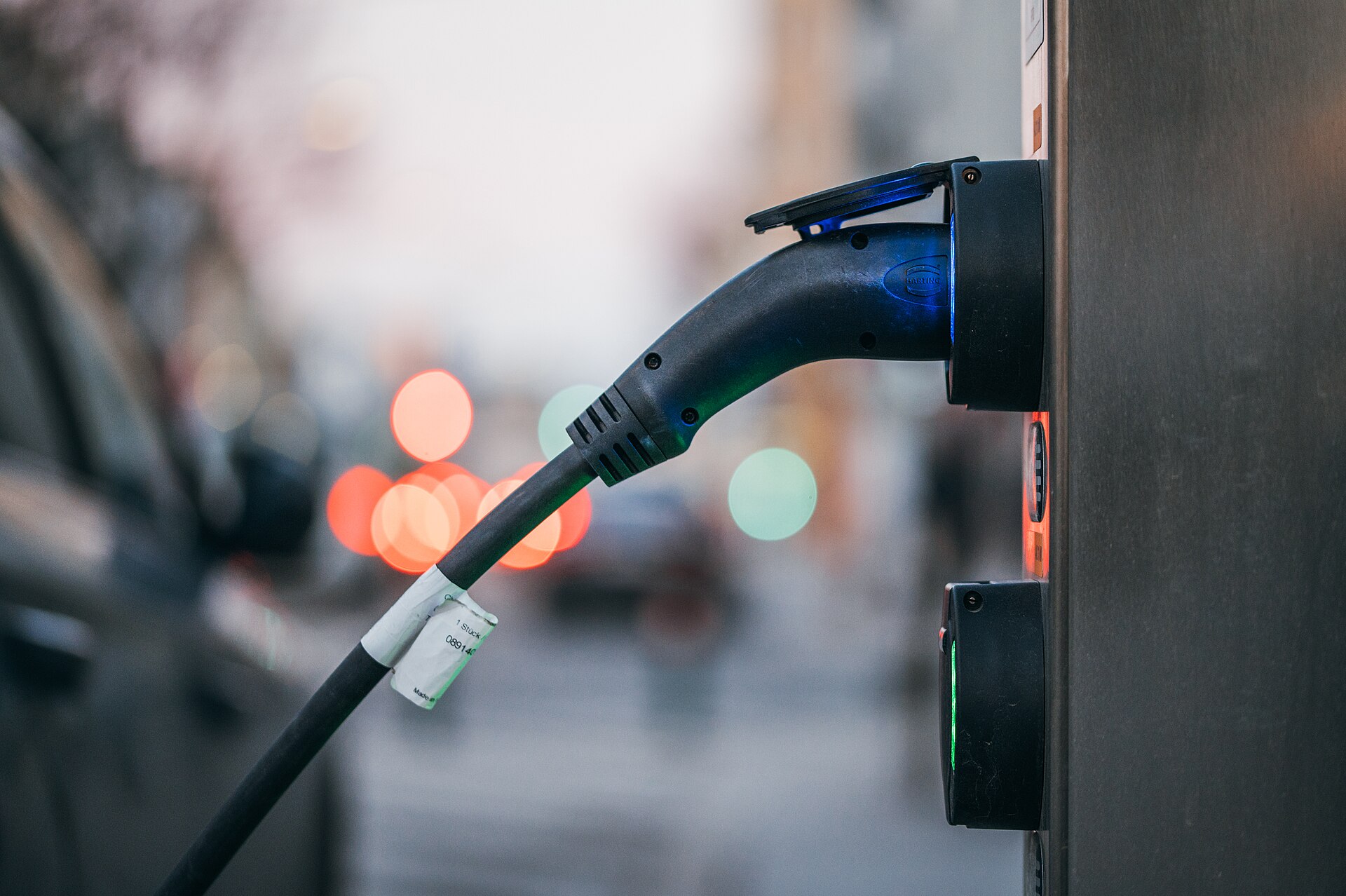
Every electric car carries a small mine on wheels. Inside its battery pack sit lithium, nickel, cobalt, manganese and graphite, materials dug from a handful of places on Earth at considerable environmental and human cost. For years the end of an EV’s life posed an awkward question for the industry’s green claims: what happens to the battery? The answer now taking shape in new recycling plants is more hopeful than many expected. The first generation of electric cars is retiring, and its batteries are turning out to be a harvest worth gathering.
The International Energy Agency tracks how quickly the fleet is growing, and the arithmetic is unavoidable: millions of packs will reach end of life in the coming decade. Rather than a waste crisis, recyclers increasingly describe that wave as feedstock. A well-run recovery plant can reclaim the great majority of a battery’s valuable metals, and recycled material avoids both the mine and much of the refining footprint of virgin supply. More stories on making and mending live on our homepage.
From shredder to black mass
Recycling begins with discharge and dismantling, dangerous work with high-voltage packs that demands trained technicians and careful automation. Packs are opened, modules separated, and cells shredded under controlled conditions to produce a dark powder known in the trade as black mass. From there, two broad routes compete. Pyrometallurgy uses high-temperature furnaces, robust but energy-hungry and poorer at recovering lithium. Hydrometallurgy uses chemical baths to leach metals out selectively, achieving higher recovery rates at lower temperatures, and it is this route most new plants are choosing.
Research surveyed by Nature’s battery coverage shows recovery of cobalt and nickel above ninety-five per cent is now routine in good facilities, with lithium recovery climbing towards similar levels. Direct recycling, a third approach still largely in laboratories, aims to preserve the carefully engineered cathode material itself rather than dissolving it back to raw metals, saving the considerable energy spent making it the first time.
Second lives before the shredder
Recycling is the last resort, not the first. A battery that can no longer satisfy a driver may still hold seventy or eighty per cent of its capacity, ample for stationary work. Retired packs are being installed as storage for solar farms, backup for buildings and buffering for fast chargers, years of useful service before they finally meet the shredder. Standards and diagnostics are maturing so buyers of second-life systems can know exactly what they are getting, cell by cell.
Policy is pushing in the same direction. The European Union’s battery regulation introduces recycled-content targets and a battery passport that follows a pack through its life, while producers are made responsible for collection. That combination, traceability plus obligation, is what turns recycling from a virtuous sideline into an industry. Our features section has followed similar passport ideas in textiles and food, and the principle travels well: know where things came from, and taking them back becomes design rather than charity.
Why it matters beyond cars
A functioning recycling loop changes the geopolitics and the ethics of electrification. Every tonne of recovered nickel is a tonne that need not be mined under difficult conditions; every recycled cathode eases pressure on supply chains that currently run through very few countries. It also changes the sums for buyers, because a battery with real residual value is an asset rather than a liability when a car changes hands.
The work is industrial, unromantic and essential: forklifts, filters, chemical lines and careful bookkeeping. But like the small workshops this magazine celebrates, it rests on a simple conviction that materials deserve more than one life. The electric age will be judged not only by how cleanly its vehicles run, but by how gracefully their parts return to use when the running is done.
